A bright, confident smile remains one of the most sought-after aesthetic improvements in modern dentistry. Professional teeth whitening offers a safe, effective solution for removing years of staining and discoloration—but understanding your options ensures you choose the treatment that delivers the results you want while protecting your dental health.
In Abu Dhabi, where international dental standards meet diverse cultural expectations of beauty, professional teeth whitening has evolved into a sophisticated procedure combining advanced bleaching technology with personalized treatment planning. This comprehensive guide explains everything you need to know about teeth whitening options available in the UAE, from in-office treatments to at-home systems, helping you make informed decisions about brightening your smile.
At Al Bustan Medical Group, our MOHAP-licensed cosmetic dentistry specialists have safely whitened thousands of smiles over 18 years using evidence-based techniques that deliver natural-looking results. This guide draws on that clinical experience to provide honest, practical information about what teeth whitening can—and cannot—achieve.
Understanding Tooth Discoloration: Why Teeth Darken
Before exploring whitening options, understanding why teeth lose their brightness helps set realistic expectations about treatment outcomes. Tooth discoloration falls into two main categories, each responding differently to whitening treatments.
Extrinsic Staining: Surface Discoloration
Extrinsic stains affect only the outer enamel surface, making them the easiest type to remove through whitening. These stains develop from external sources that come into contact with teeth over time.
Food and Beverages: Coffee, tea, red wine, and cola contain chromogens—pigmented molecules that bind to tooth enamel. Dark-colored foods like berries, curry, and tomato sauce also contribute to surface staining. The tannins in tea and wine particularly promote staining by helping chromogens adhere more strongly to enamel.
Tobacco Use: Smoking and chewing tobacco create stubborn brown to black stains. Tar provides natural color, while nicotine—colorless until exposed to oxygen—turns yellow on contact with teeth. Tobacco staining proves particularly resistant to whitening, often requiring multiple treatments for significant improvement.
Poor Oral Hygiene: Inadequate brushing and flossing allows plaque and tartar buildup, which traps stains and creates a yellow or brownish appearance. Professional cleaning removes these deposits before whitening treatment begins.
Professional whitening treatments excel at removing extrinsic stains, often achieving dramatic improvements in just one session. However, heavily tobacco-stained teeth may require realistic expectations about achievable shade improvement.
Intrinsic Discoloration: Internal Tooth Structure
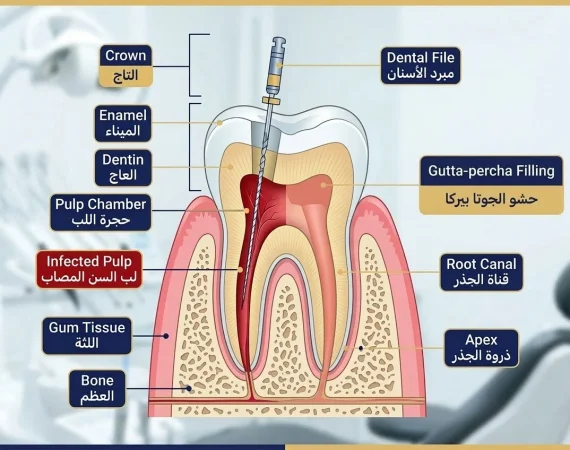
Intrinsic discoloration originates within the tooth structure itself, making it more challenging to address. These stains occur in the dentin—the layer beneath enamel—and show through the translucent outer enamel.
Aging: Natural aging causes enamel to thin, allowing the yellowish dentin beneath to show through more prominently. Dentin itself darkens with age. This combination explains why teeth naturally become more yellow over time regardless of external staining factors.
Medications: Tetracycline antibiotics taken during childhood tooth development create gray, blue, or brown bands on teeth. These medication stains prove particularly resistant to conventional whitening. Antihistamines, antipsychotics, and high blood pressure medications can also cause intrinsic discoloration.
Fluorosis: Excessive fluoride consumption during childhood enamel formation creates white spots or brown staining. Mild fluorosis often responds well to whitening, while severe cases may require alternative cosmetic treatments like veneers.
Trauma: Injury to developing teeth can disrupt enamel formation, causing discoloration. Trauma to mature teeth may damage blood vessels inside the tooth, creating a gray or brown appearance that requires internal bleaching or crown placement rather than conventional whitening.
Dental Treatments: Root canal treatment sometimes causes teeth to darken from the inside. Older silver amalgam fillings can create a gray shadow visible through enamel. These situations require specialized whitening approaches or restorative solutions.
Intrinsic stains respond less predictably to whitening than extrinsic stains. While professional-strength bleaching agents can lighten intrinsic discoloration, the degree of improvement varies significantly. Some intrinsic stains, particularly tetracycline discoloration, may require veneers or bonding for optimal aesthetic results.
Professional In-Office Whitening: Immediate, Dramatic Results
In-office professional whitening—also called chairside whitening—delivers the fastest, most dramatic results available. Performed in a dental office under controlled conditions, this treatment uses high-concentration bleaching agents that aren’t available for home use.
How In-Office Whitening Works
Professional in-office whitening follows a carefully controlled protocol designed to maximize results while protecting teeth and soft tissues.
Preparation: Your dentist first examines your teeth and gums to ensure whitening is appropriate. Existing restorations—crowns, veneers, or fillings—won’t whiten, so expectations must account for their existing shade. Your current tooth shade is recorded using a standardized shade guide, providing baseline data for tracking improvement.
Professional cleaning removes plaque, tartar, and surface stains before whitening. This cleaning ensures the bleaching gel contacts enamel directly rather than being blocked by deposits.
Soft Tissue Protection: Your dentist applies a protective barrier to gums, lips, and other soft tissues. This rubber dam or resin barrier prevents bleaching gel from contacting sensitive tissues where it could cause chemical burns. Only teeth remain exposed for treatment.
Bleaching Agent Application: High-concentration hydrogen peroxide gel (25-40%) or carbamide peroxide (typically 35%) is carefully applied to tooth surfaces. Professional concentrations significantly exceed over-the-counter products, allowing faster, more effective whitening.
The peroxide penetrates enamel and breaks down into oxygen molecules. These oxygen molecules react with discolored molecules in tooth enamel and dentin, breaking apart the chemical bonds that create color. Large pigmented molecules break into smaller, colorless molecules through oxidation, lightening the tooth’s appearance.
Activation: Some systems use special LED or laser lights claimed to accelerate whitening. However, scientific evidence for light activation remains mixed—most whitening comes from the bleaching gel itself rather than light exposure. The gel typically remains on teeth for 15-20 minutes per application.
Multiple Applications: The process repeats for two to four applications in a single appointment, with fresh bleaching gel applied each time. The entire procedure typically takes 60-90 minutes.
Post-Treatment Care: After final gel removal, teeth are rinsed thoroughly and a fluoride treatment may be applied to reduce sensitivity. Your dentist compares final results to baseline shade measurements, documenting improvement achieved.
Expected Results and Timeline
In-office whitening delivers immediate visible results. Most patients achieve three to eight shades of lightening in a single appointment, though individual results vary based on starting shade, staining type, and tooth characteristics.
Extrinsic stains from coffee, tea, and wine typically respond dramatically, often reaching their whitest achievable shade in one session. Intrinsic stains like aging-related discoloration improve noticeably but may require additional treatments for optimal results. Tetracycline staining responds slowly and incompletely—patients should discuss realistic expectations before beginning treatment.
Results appear immediately but continue improving for 24-48 hours after treatment as teeth continue releasing oxygen from within. Final shade stabilizes within two days, revealing the full whitening effect.
Advantages of Professional In-Office Whitening
• Speed: Dramatic results in a single 60-90 minute appointment rather than weeks of home treatment
• Supervision: Dentist controls every aspect, ensuring safe application and optimal results
• Maximum concentration: Professional-strength bleaching agents unavailable for home use
• Gum protection: Professional barriers prevent soft tissue exposure and irritation
• Consistency: Even application ensures uniform whitening without missed spots
• Sensitivity management: Desensitizing treatments applied immediately if needed
Potential Disadvantages
• Cost: Higher upfront investment than home whitening systems
• Sensitivity: High-concentration bleaching can cause temporary increased sensitivity
• Single session limitations: Very resistant stains may require multiple appointments
• Maintenance needed: Results gradually fade, requiring touch-up treatments
📸 IMAGE 2 PLACEHOLDER
In-Office Whitening Procedure – 1200×800 pixels (3:2 ratio)
ALT TEXT:Professional dentist performing in-office teeth whitening procedure with protective barriers and whitening gel in modern Abu Dhabi dental clinicIMAGE GENERATION PROMPT:Professional dental treatment photography showing dentist applying teeth whitening gel, dental loupes magnification visible, protective rubber dam on gums, patient comfortably reclined in modern dental chair, clinical setting in Abu Dhabi, soft clinical lighting, navy blue #26316E dental clinic colors, gold #E0C079 accents, professional healthcare environment, photorealistic quality showing actual whitening procedure, 1200×800 pixels horizontal.
Take-Home Professional Whitening: Convenience and Control
Take-home professional whitening systems prescribed by dentists offer a middle ground between in-office treatments and over-the-counter products—combining professional-strength bleaching agents with the convenience of home use.
Custom-Fitted Whitening Trays
The foundation of effective take-home whitening is custom-fitted trays created from impressions of your teeth. These trays fit precisely, ensuring even gel distribution and preventing leakage onto gums.
Your dentist takes detailed impressions of your upper and lower teeth. A dental laboratory fabricates custom trays from these impressions, creating thin, flexible trays that fit your teeth precisely. The tight fit keeps bleaching gel in contact with enamel while preventing gel from contacting gums where it could cause irritation.
Custom trays significantly outperform generic “one-size-fits-all” trays included with over-the-counter kits. Ill-fitting generic trays allow gel to leak out, waste product, and create uneven results with some areas whitening more than others.
Professional-Strength Whitening Gel
Dentists provide professional-grade bleaching gel containing carbamide peroxide (10-35%) or hydrogen peroxide (6-10%). These concentrations exceed over-the-counter products while remaining safe for unsupervised home use in custom trays.
Carbamide peroxide breaks down into hydrogen peroxide plus urea. The slower breakdown extends whitening action over several hours, making carbamide peroxide ideal for overnight wear. Hydrogen peroxide acts faster, requiring shorter wear times but more frequent applications.
Treatment Protocol
Your dentist provides specific instructions tailored to gel concentration and your whitening goals. Typical protocols include:
Daily Wear Schedule: Most patients wear trays for 30 minutes to two hours daily, depending on gel concentration. Higher concentrations require shorter wear times. Lower concentrations can be worn longer, including overnight for some formulations.
Treatment Duration: Noticeable whitening typically appears within three to five days. Most patients achieve desired results within two to four weeks of daily use. Very stained teeth may require longer treatment—up to six weeks.
Application Technique: Apply a thin ribbon of gel to the front surface of each tooth space in the tray—about a rice grain’s worth per tooth. Excess gel wastes product and can irritate gums. Insert the tray and press gently to spread gel evenly. Wipe away any gel that squeezes onto gums.
During Treatment: Avoid eating, drinking, or smoking while wearing trays. Rinse your mouth after removing trays to eliminate residual gel. Clean trays with a toothbrush and cool water—hot water can distort tray fit.
Expected Results
Take-home professional whitening produces gradual improvement over two to four weeks. Most patients achieve three to six shades of lightening—less dramatic than in-office treatment but still significant. The gradual process allows easier sensitivity management and lets you control final shade by stopping treatment when desired whiteness is reached.
Results vary based on starting shade, staining type, gel concentration, and treatment duration. Extrinsic stains respond predictably and completely. Intrinsic discoloration improves but may not reach the same brightness as teeth without underlying dentin staining.
Advantages of Take-Home Professional Whitening
• Convenience: Whiten on your own schedule without office appointments
• Lower cost: More affordable than in-office treatment while maintaining professional supervision
• Gradual results: Easier to achieve natural-looking shade without overshooting desired brightness
• Reduced sensitivity: Lower concentrations and gradual approach minimize sensitivity
• Long-term value: Keep trays for touch-up treatments, buying only gel refills
• Control: Stop treatment at any shade you prefer
Potential Disadvantages
• Time commitment: Requires two to four weeks of daily treatment
• Compliance dependent: Results depend on consistent daily use
• Less dramatic per session: Slower improvement than in-office treatment
• Tray care required: Must clean and store trays properly
Over-the-Counter Whitening Products: Accessibility and Limitations
Drugstores and supermarkets offer numerous whitening products at accessible price points. Understanding their capabilities and limitations helps set appropriate expectations.
Whitening Strips
Thin, flexible plastic strips coated with peroxide gel (typically 5-10% hydrogen peroxide) are applied directly to teeth. You wear strips for 30 minutes once or twice daily for 14 days.
Effectiveness: Can lighten teeth one to two shades with consistent use. Results appear gradually over two weeks of treatment. The low peroxide concentration makes strips safe for unsupervised use but limits whitening power.
Limitations: One-size-fits-all design doesn’t conform well to all tooth shapes, potentially creating uneven whitening. Strips don’t reach between teeth or along gumlines effectively. Some people experience difficulty keeping strips in place, especially on lower teeth. Results fade relatively quickly without maintenance.
Whitening Toothpaste
These toothpastes contain mild abrasives and chemical agents (often hydrogen peroxide or carbamide peroxide in low concentrations) to remove surface stains.
Effectiveness: Can lighten teeth about one shade through regular use over several weeks. Works primarily by polishing away surface stains rather than chemically whitening deeper stains. Helps maintain results from professional whitening treatments.
Limitations: Only affects surface staining—cannot lighten intrinsic discoloration. Whitening toothpastes with excessive abrasiveness can wear down enamel with prolonged use, actually making teeth appear more yellow as dentin shows through thinner enamel. Look for products with the ADA Seal of Acceptance to ensure appropriate abrasivity levels.
Whitening Gels and Pens
Brush-on or pen-applicator gels containing low-concentration peroxide are painted directly onto teeth. Some products require 30-minute wear before rinsing; others claim to work without rinsing.
Effectiveness: Minimal whitening (one shade maximum) due to brief contact time and low peroxide concentration. Saliva quickly dilutes gel, reducing effectiveness further.
Limitations: Uneven application creates patchy results. Difficult to avoid applying gel to gums, potentially causing irritation. Very short-lived results even when whitening occurs.
LED Whitening Kits
These kits combine generic mouth trays with whitening gel and an LED light device. Manufacturers claim light activation enhances results, though scientific evidence supporting this claim remains limited.
Effectiveness: Results similar to whitening strips (one to two shades) since the gel concentration remains low. The LED light adds cost but probably minimal whitening benefit—oxidation from peroxide creates most whitening effect regardless of light.
Limitations: Generic trays fit poorly, allowing gel leakage and creating uneven results. More expensive than strips despite similar effectiveness.
Natural or DIY Whitening Methods
Internet sources promote various home remedies including baking soda, hydrogen peroxide rinses, oil pulling, and activated charcoal. Scientific evidence supporting these methods is minimal or absent.
Baking Soda: Mild abrasive that can remove surface stains but won’t whiten beyond natural enamel color. Excessive use can damage enamel.
Hydrogen Peroxide Rinses: Very dilute peroxide rinses available at pharmacies provide minimal whitening benefit due to brief contact time and low concentration.
Activated Charcoal: Despite social media claims, no scientific evidence supports charcoal’s whitening effectiveness. Its abrasiveness may actually damage enamel with repeated use.
Strawberries, Lemon Juice, or Apple Cider Vinegar: These acidic substances can temporarily make teeth appear whiter by dissolving enamel surface—but they cause permanent enamel damage that increases cavity risk and makes teeth more susceptible to staining.
Professional vs Over-the-Counter: Understanding Key Differences
The gap between professional and over-the-counter whitening products extends beyond just price. Several fundamental differences explain why professional treatments achieve superior results.
| Factor | Professional Treatment | Over-the-Counter Products |
|---|---|---|
| Peroxide Concentration | 15-40% for in-office; 10-35% for take-home | 5-10% maximum |
| Custom Fit | Precise custom trays from dental impressions | Generic one-size-fits-all trays or strips |
| Supervision | Dentist monitors treatment and manages complications | Unsupervised self-application |
| Pre-Treatment Exam | Comprehensive evaluation identifies contraindications | None—you assess yourself |
| Results | 3-8 shades improvement typical | 1-2 shades improvement maximum |
| Timeline | In-office: 1 session; Take-home: 2-4 weeks | 2-4 weeks for modest improvement |
| Safety Monitoring | Professional protects gums; manages sensitivity | Risk of gum irritation and unmanaged sensitivity |
| Longevity | 1-3 years with proper maintenance | 6-12 months maximum |
| Cost | AED 1,200-3,500 (in-office); AED 800-1,500 (take-home) | AED 100-500 |
The higher concentration of professional treatments creates the primary difference in effectiveness. Chemical whitening occurs through oxidation—peroxide molecules breaking down stain molecules. Higher concentrations mean more peroxide available to break apart stains, resulting in faster, more dramatic whitening.
Over-the-counter products contain lower concentrations to ensure safety during unsupervised use. While safer for consumers to use without guidance, these lower concentrations simply cannot achieve the same degree of whitening as professional treatments, regardless of how long you use them.
Custom-fitted trays provide another crucial advantage. Professional trays molded precisely to your teeth keep bleaching gel in intimate contact with enamel throughout treatment while preventing gel from touching gums. Generic trays and strips cannot match this fit, leading to uneven whitening, product waste, and potential gum irritation.
Who Is a Good Candidate for Teeth Whitening?
While teeth whitening works well for many people, certain conditions affect suitability and expected results. A thorough evaluation by a dentist determines whether whitening is appropriate for your situation.
Ideal Candidates
• Adults with generally healthy teeth and gums
• Yellow or brown tooth discoloration from aging, food, or beverages
• Extrinsic staining from coffee, tea, red wine, or tobacco
• Mild to moderate intrinsic discoloration from aging
• Realistic expectations about achievable shade and maintenance requirements
• Commitment to avoiding staining foods/beverages during and after treatment
Conditions Affecting Whitening Candidacy
Existing Dental Restorations: Crowns, veneers, bridges, and composite fillings don’t respond to whitening treatments. If you have visible restorations on front teeth, whitening natural teeth will create a shade mismatch requiring restoration replacement to match your new, lighter tooth color. This adds significant cost beyond whitening itself. Your dentist helps you weigh whether matching restorations to whiter teeth fits your budget and aesthetic goals.
Tooth Decay or Gum Disease: Active cavities must be treated before whitening since bleaching agents can penetrate decay and irritate the tooth’s nerve. Gum disease causes gum recession that exposes tooth roots—root surfaces don’t whiten and may become more sensitive during treatment. Address dental health issues before cosmetic whitening.
Tooth Sensitivity: If you already experience sensitivity to hot or cold, whitening may temporarily worsen it. Discuss sensitivity management strategies with your dentist, including desensitizing toothpaste use before treatment and lower-concentration gels.
Pregnancy and Breastfeeding: While no evidence suggests whitening harms developing babies, most dentists recommend postponing elective cosmetic treatments until after pregnancy and breastfeeding out of an abundance of caution.
Very Dark Gray or Blue Stains: Tetracycline antibiotic staining, particularly dark gray or blue bands, responds poorly to whitening. You may see some improvement but likely won’t achieve the bright white result possible with yellow staining. Veneers or bonding may better address these stains.
Severe Fluorosis: While mild fluorosis (white spots) often responds to whitening, severe fluorosis with brown staining proves resistant to conventional whitening. Alternative treatments like microabrasion or veneers may be necessary.
Worn Enamel: Teeth with thin enamel from excessive grinding or acid erosion whiten less effectively and experience more sensitivity. Address underlying causes (like nighttime grinding or acid reflux) before whitening.
Age Considerations
Most dentists recommend waiting until at least age 14-16 for teeth whitening, allowing complete tooth development before cosmetic procedures. Young teeth have larger nerve chambers that may be more sensitive to bleaching agents.
For older adults, natural enamel thinning and dentin darkening mean whitening results may be more modest. However, professional whitening still typically achieves noticeable improvement—expectations simply need adjustment based on age-related tooth changes.
📸 IMAGE 3 PLACEHOLDER
Teeth Shade Comparison Guide – 1200×800 pixels (3:2 ratio)
ALT TEXT:Professional dental shade guide showing range of tooth colors from natural yellow to bright white for teeth whitening consultation in Abu DhabiIMAGE GENERATION PROMPT:Professional dental shade guide tool used in dental clinics, row of ceramic tooth-shaped shade tabs arranged from darker (yellow-brown) to lighter (white) shades, held by gloved dental professional hand, clean clinical background, navy blue #26316E and gold #E0C079 accents visible in background, photorealistic dental equipment photography, natural lighting, educational quality, 1200×800 pixels horizontal.
What to Expect: Realistic Results and Timelines
Setting realistic expectations ensures satisfaction with whitening outcomes. Understanding what whitening can and cannot achieve prevents disappointment and helps you choose appropriate treatment.
Degree of Whitening Achievable
Most people achieve three to eight shades of lightening with professional whitening. However, final results depend on multiple factors:
Starting Shade: Yellow-toned teeth typically whiten more dramatically than gray-toned teeth. Teeth that are naturally darker have more staining to remove, potentially achieving greater absolute improvement while still not reaching the same final shade as naturally lighter teeth.
Stain Type: Extrinsic stains from coffee, tea, and food respond most dramatically. Intrinsic discoloration from aging improves significantly but may not reach the same brightness. Tetracycline staining lightens slowly and incompletely over multiple treatments.
Tooth Characteristics: Enamel thickness and translucency affect how light reflects from teeth. Thick enamel generally whitens more dramatically. Very translucent enamel allows darker dentin to show through even after whitening, limiting how bright teeth can appear.
Consistency and Compliance: With take-home whitening, results directly correlate with consistent daily use. Skipping treatments extends the timeline and may reduce final results.
Timeline to Results
In-Office Whitening: Visible improvement appears immediately, with results continuing to develop for 24-48 hours as teeth release oxygen. Final shade assessment occurs two days after treatment.
Take-Home Professional Whitening: Noticeable lightening typically appears within three to five days of daily treatment. Optimal results develop over two to four weeks depending on starting shade and desired outcome.
Over-the-Counter Products: Modest improvement (one to two shades) becomes visible after one to two weeks of consistent use following package directions.
Addressing Uneven Results
Teeth don’t always whiten uniformly. Several factors can create uneven results:
Natural Tooth Variation: Different teeth contain different amounts of dentin and enamel thickness. Canines naturally contain more dentin, making them yellower than neighboring teeth. They may remain slightly darker even after whitening.
White Spots: Areas of decalcification (early decay) or fluorosis appear more opaque white than surrounding enamel. Whitening may initially make these spots more noticeable before they blend better as surrounding areas lighten. The spots often become less visible with continued whitening as the shade difference decreases.
Restoration Mismatch: Existing fillings, crowns, and veneers remain their original shade, creating contrast with newly whitened natural teeth. Plan for possible restoration replacement when whitening teeth with visible restorations.
Your dentist can address uneven whitening through extended treatment, spot treatment of darker areas, or alternative cosmetic solutions like bonding for persistent white spots.
How Long Results Last
Whitening isn’t permanent—teeth gradually darken again through normal aging and ongoing exposure to staining factors. However, results typically last one to three years depending on maintenance efforts and lifestyle factors.
Factors affecting longevity include:
• Diet: Regular consumption of coffee, tea, red wine, and dark sodas accelerates staining
• Tobacco use: Smoking or chewing tobacco quickly restains teeth
• Oral hygiene: Regular brushing and professional cleanings help maintain whiteness
• Touch-up treatments: Periodic at-home whitening (every 4-6 months) extends results significantly
• Age: Natural dentin darkening continues regardless of whitening
Most patients who invest in professional whitening maintain results through periodic touch-up treatments using their custom trays with new gel supplies. This approach costs less than repeating full treatment while keeping teeth at desired brightness.
Safety and Side Effects: What You Need to Know
Professional teeth whitening, when performed correctly, is safe and effective. However, understanding potential side effects helps you prepare and manage any temporary discomfort.
Tooth Sensitivity
The most common side effect of whitening is temporary increased sensitivity to temperature. This affects 50-70% of patients to some degree, ranging from mild awareness to significant discomfort.
Why Sensitivity Occurs: Peroxide temporarily increases tooth porosity, allowing stimuli to reach nerves more easily. The bleaching process can also temporarily irritate nerves within teeth. Sensitivity typically begins during treatment and may persist for 24-48 hours after treatment ends, then resolves completely.
Managing Sensitivity:
• Use desensitizing toothpaste containing potassium nitrate for two weeks before whitening and throughout treatment
• Take over-the-counter pain relievers (ibuprofen or acetaminophen) before whitening sessions
• Reduce whitening gel wear time or use lower concentrations if sensitivity develops
• Apply fluoride gel after whitening to remineralize enamel and reduce sensitivity
• Take breaks between whitening sessions if sensitivity becomes problematic
• Avoid extremely hot or cold foods and beverages during treatment
Sensitivity from professional whitening is temporary and reversible. Teeth return to their baseline sensitivity level within a few days to two weeks after completing treatment.
Gum Irritation
Contact between bleaching gel and gum tissue can cause temporary irritation, appearing as whitening or redness of gums. This occurs more commonly with at-home treatments where application isn’t as precise as professional in-office application.
Prevention: In-office treatments include professional gum barriers that completely protect soft tissues. For take-home treatments, apply minimal gel—a thin ribbon rather than filling the entire tray. Wipe away any gel that contacts gums immediately after inserting trays.
Treatment: Gum irritation resolves within 24-48 hours without intervention once exposure to bleaching gel stops. Reduce gel amount in future applications to prevent recurrence.
Throat Irritation
Swallowing excessive whitening gel during at-home treatment occasionally causes mild throat irritation or stomach upset. This is generally harmless but uncomfortable.
Prevention: Don’t overfill whitening trays. Remove excess saliva and gel that accumulates during treatment rather than swallowing. If you produce excessive saliva making this difficult, try whitening while sitting upright rather than lying down.
Enamel Damage: Fact vs Fiction
A common concern is whether whitening damages tooth enamel. Research consistently shows that when used as directed, professional whitening products don’t permanently damage enamel structure. Peroxide-based whitening works through chemical oxidation that breaks apart stain molecules—it doesn’t erode or dissolve enamel itself.
Temporary changes in enamel mineral content occur during whitening, but enamel remineralizes naturally from saliva within days after treatment. This process is similar to what happens after consuming acidic foods or beverages.
However, excessive or improper use of whitening products—particularly high concentrations used too frequently—can potentially weaken enamel. This is why professional supervision and following recommended treatment protocols are important.
Safety Considerations
• Professional whitening products have extensive safety testing and decades of clinical use
• When used as directed, whitening doesn’t increase cavity risk or cause permanent damage
• Pregnant women should postpone elective whitening treatments
• People with dental restorations should understand limitations and plan for possible replacement
• Those with existing dental problems should address them before whitening
Maintaining Your Bright Smile: Longevity Strategies
Professional whitening represents an investment in your appearance. Proper maintenance extends results significantly, delaying the need for retreatment.
Immediate Post-Whitening Care
The first 48 hours after whitening are crucial. Teeth are more porous and susceptible to staining during this period.
The “White Diet”: For 48 hours after whitening, avoid anything that could stain a white shirt:
• Avoid: Coffee, tea, red wine, cola, dark sodas, berries, tomato sauce, soy sauce, balsamic vinegar, chocolate, red meat, colored beverages
• Safe options: Water, milk, white wine, clear spirits, white fish, chicken, white pasta, rice, bread, clear soups, bananas, light-colored fruits
This temporary dietary restriction prevents stains from setting into newly whitened, porous enamel. After 48 hours, enamel pores close and teeth become more resistant to staining.
Tobacco use must stop completely during this period. A single cigarette can significantly stain freshly whitened teeth.
Long-Term Maintenance Habits
Modify Staining Behaviors: You don’t have to eliminate staining foods and beverages entirely, but moderation helps maintain whiteness longer. When you do consume staining substances:
• Drink through a straw to minimize contact with front teeth
• Rinse your mouth with water after consuming staining foods or drinks
• Brush teeth 30 minutes after eating or drinking staining substances (wait 30 minutes to avoid brushing acid-softened enamel)
• Chew sugar-free gum after meals to stimulate saliva production, which naturally cleanses teeth
Excellent Oral Hygiene:
• Brush twice daily with fluoride toothpaste using proper technique
• Floss daily to remove staining between teeth
• Use whitening toothpaste one to two times per week to remove surface stains (but not exclusively, as these toothpastes are more abrasive)
• Rinse with water or alcohol-free mouthwash after consuming staining substances
Professional Maintenance:
• Schedule dental cleanings every six months to remove accumulated surface staining
• Have your dentist assess whitening results and recommend timing for touch-ups
• Professional cleaning before touch-up whitening maximizes effectiveness
Touch-Up Treatments
Most patients need touch-up whitening every 6-12 months to maintain their brightest smile. Those who regularly consume staining foods and beverages may need more frequent touch-ups.
For Take-Home Whitening Systems: Keep your custom trays and purchase replacement gel from your dentist. Use trays for one to three nights every six months, or whenever you notice darkening. This approach maintains whiteness indefinitely at minimal ongoing cost.
For In-Office Whitening: Schedule touch-up appointments annually or biannually. Some dental offices offer discounted maintenance rates for patients returning for touch-ups.
Cost Considerations: Investment and Value
Teeth whitening costs in Abu Dhabi vary significantly based on treatment type, provider expertise, and included services.
Typical Price Ranges
Professional In-Office Whitening: AED 1,200-3,500 per session. Price variation reflects different technologies (basic bleaching vs. advanced light-activated systems), provider experience, clinic location, and included services. Higher prices may include pre-treatment exam, professional cleaning, custom take-home trays for maintenance, and follow-up visits.
Take-Home Professional Whitening: AED 800-1,500 for complete system including custom trays, initial gel supply, and instructions. Replacement gel for touch-ups costs AED 200-400 per supply.
Over-the-Counter Products: AED 100-500 depending on product type and brand. While significantly less expensive upfront, limited effectiveness means you may need to purchase products repeatedly without achieving desired results—potentially costing more long-term than professional treatment.
Understanding Value Beyond Price
When evaluating whitening costs, consider value factors beyond the initial price:
Effectiveness: Professional whitening achieves three to eight shades of improvement compared to one to two shades maximum with over-the-counter products. The dramatic difference in results often justifies higher cost.
Longevity: Professional whitening lasts one to three years with proper maintenance versus six to twelve months for over-the-counter results. Longer-lasting results reduce frequency and total cost of retreatment.
Safety Supervision: Professional treatment includes pre-treatment examination, ensuring whitening is appropriate for your dental health. Dentist supervision minimizes complication risks and manages any sensitivity or gum irritation immediately.
Customization: Professional systems provide precise custom fit ensuring even results and comfortable wear. Generic over-the-counter trays frequently cause uneven whitening and gum irritation.
Time Value: In-office whitening achieves results in one 90-minute appointment. Consider the value of immediate results versus weeks of daily at-home treatment.
Insurance Coverage
Dental insurance typically doesn’t cover teeth whitening since it’s considered a cosmetic procedure rather than medically necessary treatment. However, if your insurance includes cosmetic benefits or if whitening is performed as part of comprehensive smile rehabilitation, partial coverage might apply. Check your specific policy details.
Making the Investment Worthwhile
Maximize your whitening investment by:
• Following all pre- and post-treatment instructions carefully
• Maintaining excellent oral hygiene to extend results
• Keeping custom whitening trays for future touch-ups
• Scheduling regular professional cleanings to remove surface staining
• Moderating consumption of staining foods and beverages
• Avoiding tobacco use completely
With proper care, professional whitening provides excellent value through years of maintained results at minimal ongoing cost for touch-up treatments.
Professional Teeth Whitening at Al Bustan Medical Group
For 18 years, Al Bustan Medical Group has provided safe, effective teeth whitening to Abu Dhabi residents, combining advanced technology with cosmetic dentistry expertise to deliver natural-looking, confidence-boosting results.
Our Cosmetic Dentistry Specialists
Our cosmetic dentistry team includes specialists trained in advanced aesthetic techniques who understand both the science of tooth whitening and the art of creating naturally beautiful smiles. Our dentists evaluate each patient individually, recommending whitening approaches that balance effectiveness with safety based on your unique dental characteristics and aesthetic goals.
At Al Bustan Advance Medical Center (Khalifa City), Dr. Wafa Ibrahim Mohammed, Cosmetic Dentist, brings specialized expertise in smile design and aesthetic dentistry, ensuring whitening integrates seamlessly with your overall facial aesthetics.
Comprehensive Treatment Options
In-Office Professional Whitening: Our in-office whitening system uses professional-strength bleaching agents (25-35% hydrogen peroxide) under carefully controlled conditions. Treatment includes thorough cleaning, protective barriers for gums and soft tissues, precisely applied bleaching gel, and post-treatment fluoride to minimize sensitivity. Most patients achieve noticeable whitening in a single 60-90 minute appointment.
Custom Take-Home Whitening Kits: We provide professional-grade take-home systems featuring custom-fitted trays created from detailed impressions of your teeth. Our professional-strength gel (10-35% carbamide peroxide or 6-10% hydrogen peroxide) delivers results superior to over-the-counter products while remaining safe for unsupervised home use. Detailed instructions ensure optimal results.
Combination Approach: For dramatic results with reduced sensitivity, we often recommend in-office whitening followed by take-home maintenance. Initial in-office treatment achieves immediate improvement, while take-home trays allow periodic touch-ups to maintain brightness indefinitely.
Pre-Treatment Assessment
Every whitening patient receives comprehensive evaluation before treatment begins:
• Dental examination to identify any cavities, gum disease, or other issues requiring treatment before whitening
• Assessment of existing restorations and discussion of potential shade mismatches after whitening natural teeth
• Review of your medical history to identify any contraindications
• Baseline shade measurements using standardized shade guides
• Discussion of realistic expectations based on your specific tooth characteristics and staining type
• Photography documenting pre-treatment appearance for comparison
This thorough assessment ensures whitening is appropriate for you and helps set realistic expectations about achievable results.
Safety and Comfort Focus
Patient comfort and safety guide our whitening protocols:
• Professional-strength products used only after thorough training in proper application techniques
• Protective barriers preventing bleaching gel contact with gums and soft tissues
• Pre-treatment desensitizing options for patients concerned about sensitivity
• Post-treatment fluoride applications to reduce sensitivity and remineralize enamel
• Detailed aftercare instructions including the “white diet” and sensitivity management strategies
• Immediate availability for questions or concerns during at-home treatment
Convenient Locations and Extended Hours
Professional teeth whitening is available at multiple Al Bustan Medical Group locations across Abu Dhabi. Our extended hours—9:00 AM to 10:00 PM daily—accommodate busy schedules, making it convenient to achieve the bright smile you desire.
Whether you prefer immediate in-office results or gradual at-home whitening, our specialists help you choose the approach that best fits your lifestyle, budget, and aesthetic goals. Call 8007755 or book online to schedule your whitening consultation.
📸 IMAGE 4 PLACEHOLDER
Custom Whitening Trays – 1200×800 pixels (3:2 ratio)
ALT TEXT:Professional custom-fitted teeth whitening trays with whitening gel for at-home use from Abu Dhabi dental clinicIMAGE GENERATION PROMPT:Professional product photography showing custom dental whitening trays (clear flexible plastic mouthguards) next to whitening gel syringes, clean white surface, clinical setting, navy blue #26316E and gold #E0C079 branding visible on packaging, photorealistic dental product quality, professional lighting emphasizing transparency and precision fit of trays, 1200×800 pixels horizontal.
Alternatives to Teeth Whitening: When Other Options Work Better
While whitening works well for many patients, certain situations call for alternative cosmetic solutions that address underlying dental issues beyond just tooth color.
Dental Veneers: Comprehensive Smile Transformation
Porcelain veneers—thin shells of ceramic bonded to front tooth surfaces—address multiple cosmetic concerns simultaneously, including severe discoloration that doesn’t respond well to whitening, plus chips, cracks, gaps, or shape irregularities.
When Veneers Are Better Than Whitening:
• Tetracycline antibiotic staining (gray or brown bands) resistant to whitening
• Severe fluorosis with brown staining
• Single darkened tooth from trauma or root canal treatment
• Multiple cosmetic concerns beyond just color (chips, gaps, minor misalignment)
• Desire for dramatic, permanent whiteness without ongoing maintenance
Veneers provide lasting color change—they don’t stain like natural teeth and maintain their shade indefinitely. However, they require removing thin enamel layers and cost significantly more than whitening. Learn more about cosmetic dentistry options.
Dental Bonding: Targeted Color Correction
Composite bonding applies tooth-colored resin material to specific teeth, useful for individual discolored teeth or small areas of staining that don’t match surrounding teeth after whitening.
When Bonding Is Appropriate:
• Single darkened tooth from trauma
• White spots from fluorosis or decalcification that remain visible after whitening
• Budget constraints making veneers unaffordable
• Desire to avoid removing enamel required for veneers
Bonding costs less than veneers but doesn’t last as long (5-10 years vs. 10-15 years for veneers) and may stain over time unlike porcelain veneers.
Dental Crowns: Restoring Darkened Teeth
For teeth that are darkened from the inside due to root canal treatment, trauma, or internal resorption, crowns covering the entire tooth provide the most effective color correction. Internal bleaching can sometimes lighten these teeth, but crowns offer more predictable, lasting results.
Orthodontic Treatment: Addressing Underlying Issues
Sometimes what appears to be a color problem is actually a positioning issue. Overlapping or rotated teeth create shadows that make teeth look darker. Straightening teeth through orthodontic treatment can improve appearance significantly, often making whitening more effective afterward by ensuring bleaching gel reaches all tooth surfaces evenly.
Frequently Asked Questions: Teeth Whitening
Q: How white can my teeth realistically get?
Most people achieve three to eight shades of lightening with professional whitening. Your starting shade, staining type, and natural tooth characteristics determine final results. Yellow-toned teeth typically whiten more dramatically than gray-toned teeth. However, extremely white “Hollywood” smiles often result from veneers rather than whitening alone. Your dentist can show you before-and-after photos of previous patients with similar starting shades to set realistic expectations. Natural tooth color has limits—whitening can’t make teeth whiter than their natural potential allows.
Q: Will whitening damage my tooth enamel?
No, when used as directed, professional whitening products don’t permanently damage enamel. Research shows that peroxide-based whitening works through chemical oxidation that breaks apart stain molecules without eroding enamel structure. Temporary changes in enamel mineral content occur during treatment, but enamel remineralizes naturally from saliva within days. However, excessive or improper use—particularly high concentrations applied too frequently—can potentially weaken enamel. This is why professional supervision and following recommended protocols are important. Choosing professional treatment over unsupervised overuse of over-the-counter products protects your enamel.
Q: How long does teeth sensitivity last after whitening?
Sensitivity from whitening typically lasts 24-48 hours after treatment ends, though some people experience sensitivity for up to one week. The discomfort is temporary and reversible—teeth return to baseline sensitivity once treatment stops. To minimize sensitivity, use desensitizing toothpaste for two weeks before whitening and throughout treatment, apply fluoride gel after whitening sessions, and consider lower-concentration bleaching gels or shorter wear times. Taking over-the-counter pain relievers before whitening also helps. If sensitivity becomes problematic, take a break from whitening for a few days before resuming. Persistent sensitivity beyond two weeks warrants dental evaluation to rule out other causes.
Q: Can I whiten my teeth if I have crowns or veneers?
Yes, you can whiten natural teeth even if you have crowns or veneers, but the restorations won’t change color. Crowns, veneers, bridges, and composite fillings don’t respond to whitening treatments. Whitening your natural teeth will create a shade mismatch with existing restorations, potentially making them look yellower by comparison. If you have visible restorations on front teeth, you may need to replace them after whitening to match your new, lighter tooth color. This adds significant cost beyond whitening itself. Discuss this with your dentist before whitening to understand total costs and plan appropriately. Some patients choose to replace restorations first, matching them to desired final tooth shade, then whiten natural teeth to match.
Q: Is professional whitening better than over-the-counter products?
Yes, professional whitening is significantly more effective than over-the-counter products. Professional treatments use higher peroxide concentrations (15-40%) compared to over-the-counter products (5-10% maximum), achieving three to eight shades of improvement versus one to two shades maximum with drugstore products. Custom-fitted trays ensure even whitening and prevent gel leakage, while generic one-size-fits-all trays create uneven results. Professional treatment includes dental examination to ensure whitening is appropriate and doesn’t worsen existing dental problems. Dentist supervision allows immediate management of any sensitivity or complications. Results last longer—one to three years versus six to twelve months—making professional whitening more cost-effective long-term despite higher upfront cost.
Q: What foods should I avoid after teeth whitening?
For 48 hours after whitening, avoid anything that could stain a white shirt: coffee, tea, red wine, cola, dark sodas, berries, tomato sauce, soy sauce, balsamic vinegar, curry, chocolate, and tobacco. Teeth are more porous and susceptible to staining during this critical period. Safe options include water, milk, white wine, white fish, chicken, white pasta, rice, bread, bananas, and light-colored fruits. After 48 hours, you can resume normal diet, though moderating staining substances helps maintain results longer. When consuming staining foods or beverages, drink through a straw, rinse with water afterward, and brush 30 minutes later (waiting 30 minutes allows saliva to neutralize acids before brushing).
Q: Can pregnant women have teeth whitening?
Most dentists recommend postponing teeth whitening until after pregnancy and breastfeeding. While no scientific evidence proves whitening harms developing babies, insufficient research exists to definitively confirm safety during pregnancy. Out of an abundance of caution, cosmetic procedures that aren’t medically necessary should wait. Pregnancy hormones can also increase gum sensitivity and bleeding, potentially making whitening more uncomfortable. After delivery and completing breastfeeding, professional whitening provides a safe way to address any pregnancy-related tooth discoloration. Focus on excellent oral hygiene during pregnancy and schedule professional cleaning to remove surface stains without chemical bleaching.
Q: Does teeth whitening work on all types of stains?
Whitening works best on extrinsic stains from food, beverages, and aging. Yellow or brown discoloration from coffee, tea, red wine, and tobacco typically respond dramatically to professional whitening. Intrinsic stains—discoloration within tooth structure—respond less predictably. Aging-related dentin darkening improves noticeably but may not reach the same brightness as younger teeth. Tetracycline antibiotic staining (gray or brown bands) lightens slowly and incompletely even with multiple treatments. Fluorosis-related staining responds variably—mild fluorosis often improves while severe brown staining proves resistant. Single teeth darkened from trauma or root canal treatment require internal bleaching or crowns rather than conventional whitening. Your dentist evaluates your specific staining type and recommends appropriate treatment.
Q: How often can I safely whiten my teeth?
Most dentists recommend touch-up whitening every 6-12 months to maintain results, with full retreatment every 1-3 years as needed. More frequent whitening isn’t necessarily harmful when using professional concentrations as directed, but it provides diminishing returns—teeth can only get so white before additional whitening produces no further improvement. Excessive whitening can increase sensitivity without additional benefit. For take-home systems, use your custom trays for 1-3 nights every six months or whenever you notice darkening. This maintains brightness indefinitely without overexposing teeth to bleaching agents. If you find yourself wanting to whiten more frequently, consult your dentist—you may have reached your teeth’s maximum whiteness, or underlying staining sources need addressing.
Q: Will whitening toothpaste maintain my professional whitening results?
Whitening toothpaste helps maintain results by removing surface stains before they set, but use them judiciously. These toothpastes contain mild abrasives that polish away stains—they don’t chemically whiten like professional treatments. Use whitening toothpaste one to two times per week rather than exclusively, as daily use of highly abrasive toothpaste can wear down enamel over time. Alternate with regular fluoride toothpaste. Look for products with the ADA Seal of Acceptance ensuring appropriate abrasivity levels. For best maintenance, combine occasional whitening toothpaste use with excellent oral hygiene, regular professional cleanings, and periodic touch-up treatments using your custom whitening trays.
Q: Can teenagers have professional teeth whitening?
Most dentists recommend waiting until at least age 14-16 for teeth whitening, allowing complete tooth development before cosmetic procedures. Young teenagers have larger nerve chambers making teeth more sensitive to bleaching agents. Additionally, newly erupted permanent teeth are still maturing and shouldn’t be whitened until fully developed. Once teeth are mature and the patient can reliably follow treatment instructions, professional whitening is generally safe for teenagers. However, many teenagers have naturally very white teeth that don’t require whitening. A dental evaluation determines whether whitening is appropriate and necessary. For teenagers with staining from poor oral hygiene or beverages, professional cleaning often provides adequate improvement without chemical whitening.
Q: What’s the difference between in-office and take-home whitening?
In-office whitening uses higher peroxide concentrations (25-40%) delivering dramatic results in one 60-90 minute appointment—typically three to eight shades of lightening. It’s supervised by your dentist with professional gum protection and immediate sensitivity management if needed. Take-home professional whitening uses lower concentrations (10-35% carbamide peroxide) worn in custom trays for 30 minutes to several hours daily over 2-4 weeks, achieving similar total improvement more gradually. In-office costs more but provides instant results; take-home costs less but requires consistent daily use. Many patients choose in-office whitening for immediate improvement followed by take-home maintenance. Your lifestyle, budget, timeline, and sensitivity concerns determine which approach suits you best.
Taking the Next Step: Achieving Your Brightest Smile
Professional teeth whitening offers a safe, effective way to brighten your smile and boost confidence. Whether you choose immediate in-office results or gradual at-home improvement, understanding your options ensures you select treatment that delivers results meeting your expectations while protecting your dental health.
The key to successful whitening lies in professional guidance—comprehensive evaluation ensures whitening is appropriate for your dental situation, realistic expectations prevent disappointment, and proper technique maximizes results while minimizing sensitivity. Over-the-counter products simply cannot match the effectiveness, safety, and longevity of professionally supervised whitening.
At Al Bustan Medical Group, our cosmetic dentistry specialists have safely whitened thousands of smiles over 18 years. We help you choose the whitening approach that fits your lifestyle, budget, and aesthetic goals, providing the bright, confident smile you deserve.
Don’t let stained or yellowed teeth hold back your confidence. Schedule a whitening consultation to explore your options and discover how dramatically professional whitening can transform your smile. Call 8007755 or book online for an appointment at any of our nine convenient Abu Dhabi locations.
Al Bustan Medical Group: 18 years of expert cosmetic dentistry, nine convenient Abu Dhabi locations, MOHAP-licensed specialists, advanced whitening technology. Your brightest smile awaits.