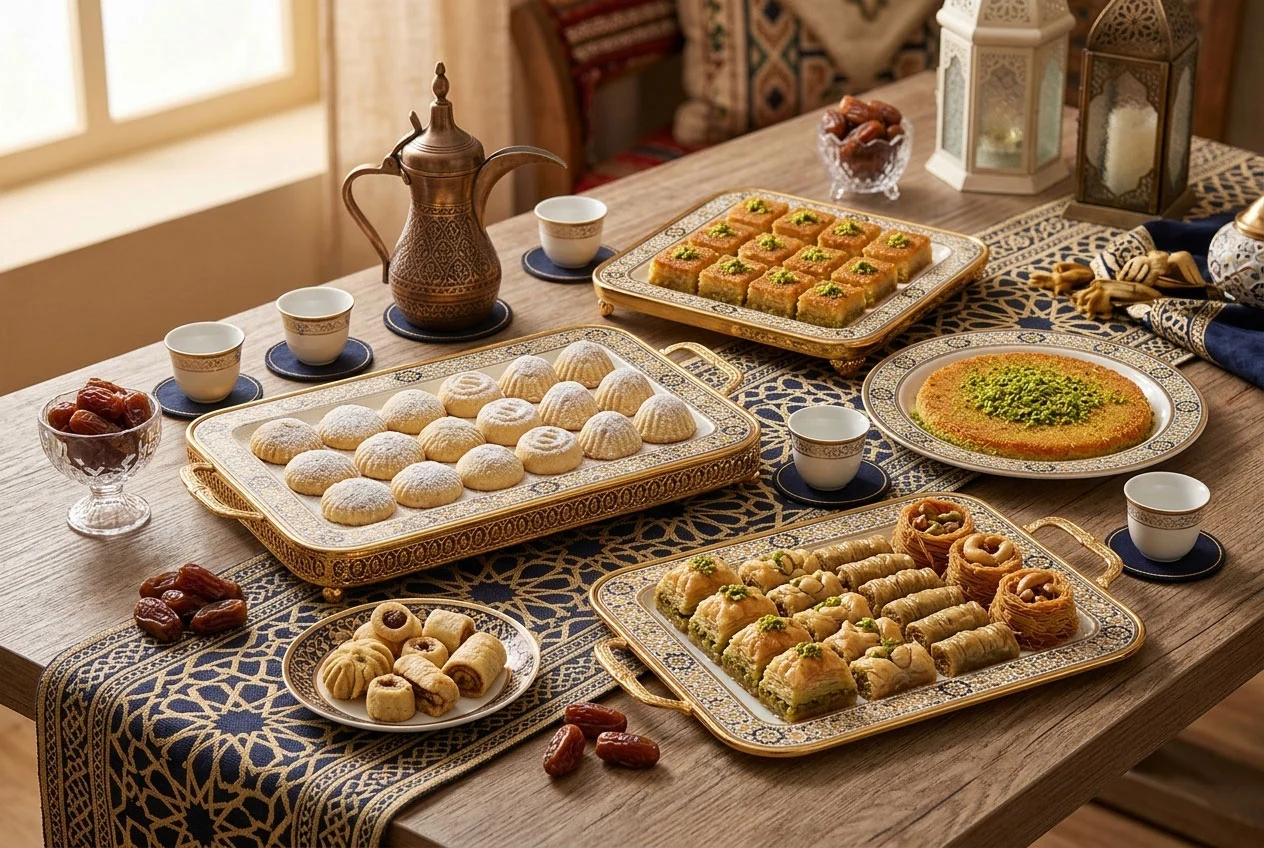
Eid Al-Fitr marks the joyous end of Ramadan, bringing families together for celebration, prayers, and traditional festivities. Central to these celebrations are the beloved sweet treats—ma’amoul, kunafa, baklava, basbousa, and countless other delicacies that grace Eid tables across Abu Dhabi. These sweets represent hospitality, tradition, and the sweetness of breaking the month-long fast.
While enjoying these treats is part of Eid’s joy, the sudden increase in sugar consumption after a month of fasting can pose challenges for oral health. At Al Bustan Medical Group, we’ve spent 18 years helping Abu Dhabi families balance cultural traditions with dental wellness. The good news? You don’t have to choose between enjoying Eid celebrations and maintaining a healthy smile. With mindful strategies, you can savor traditional sweets while protecting your teeth.
How Traditional Eid Sweets Affect Your Teeth
Understanding how different sweets impact dental health helps you make informed choices during Eid celebrations:
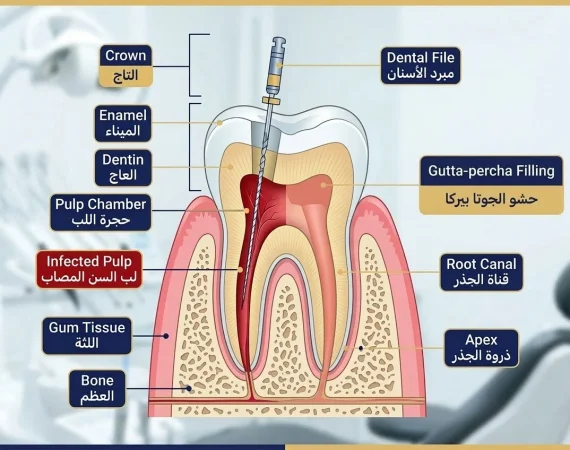
Sticky Sweets (Ma’amoul, Dates, Baklava): These beloved treats cling to tooth surfaces and lodge between teeth, providing prolonged exposure to sugars. Bacteria in your mouth feed on these sugars, producing acids that attack tooth enamel. The longer sweets remain in contact with teeth, the greater the risk of decay. Sticky sweets are particularly problematic because regular saliva flow can’t easily wash them away.
Syrup-Soaked Desserts (Kunafa, Basbousa, Qatayef): Desserts drenched in sugar syrup bathe teeth in concentrated sweetness. The syrup’s liquid form allows it to coat all tooth surfaces, including hard-to-reach areas. These treats often combine the challenge of both sticky textures and liquid sugar, making them especially demanding on dental health.
Hard Candies and Toffees: Hard sweets dissolve slowly in the mouth, providing extended sugar exposure. Additionally, biting down on hard candies can crack or chip teeth, particularly those with existing fillings or weakened enamel. The combination of prolonged sugar contact and potential mechanical damage makes hard candies particularly risky.
Chocolate-Based Treats: While chocolate contains sugar, it actually poses less risk than many other sweets because it melts quickly and washes away more easily. Dark chocolate with higher cocoa content contains less sugar and some compounds that may even have protective properties. Among Eid sweets, chocolate-based options are generally among the more tooth-friendly choices.
Acidic Sweet Drinks: Sugary juices, sodas, and sweetened beverages not only contain high sugar levels but also acids that directly erode tooth enamel. The liquid form means these drinks contact all tooth surfaces simultaneously, and sipping them slowly provides continuous acid attack throughout consumption.
Smart Strategies for Enjoying Eid Sweets
You can participate fully in Eid traditions while minimizing dental damage:
Timing Matters
Eat Sweets with Meals: Rather than snacking on sweets throughout the day, enjoy them immediately after main meals. Your mouth produces more saliva during and after meals, which helps neutralize acids and wash away sugar. Additionally, other foods consumed during the meal can help clean teeth surfaces.
Avoid Continuous Grazing: Constant snacking keeps teeth bathed in sugar and acid throughout the day. Set specific times for enjoying sweets rather than keeping them constantly available. This gives teeth periods of recovery between sugar exposures.
Rinse After Indulging: Drink water or rinse your mouth with water immediately after eating sweets. This simple action dilutes sugars and acids, washing away food particles and beginning the neutralization process. Keep water readily available during Eid gatherings.
Portion Control
Savor, Don’t Gorge: Truly enjoy a smaller portion of your favorite treats rather than mindlessly consuming large quantities. One piece of ma’amoul savored slowly provides the same cultural experience as eating five pieces quickly, with far less impact on your teeth.
Choose Your Favorites: With such abundance during Eid, select only the sweets you truly love rather than eating everything offered. This mindful approach allows you to fully enjoy traditions without overwhelming your teeth with unnecessary sugar.
Share the Joy: Prepare smaller portions of traditional sweets or share platters with guests. This maintains hospitality while naturally limiting the quantity available for continuous snacking.
Strategic Selection
Balance Your Choices: Pair sweets with tooth-friendly foods. Cheese, nuts, and vegetables can help neutralize acids and clean teeth surfaces. Include these alongside sweet offerings at your Eid table.
Opt for Less Sticky Alternatives: When choosing between equally beloved sweets, select those that don’t cling to teeth as aggressively. Chocolate-based treats or softer puddings generally pose less risk than sticky, syrup-soaked options.
Minimize Liquid Sugars: Choose water or unsweetened beverages over sugary juices and sodas. If serving traditional sweet drinks, offer them at specific times rather than throughout the day.
Proper Brushing and Oral Care During Eid
Maintaining excellent oral hygiene during Eid celebrations requires strategic timing and technique:
The 30-Minute Rule: After consuming sweets, wait at least 30 minutes before brushing. Immediately after eating, your mouth is more acidic, and tooth enamel is temporarily softened. Brushing during this vulnerable period can actually damage enamel. Instead, rinse with water immediately after eating, then brush 30-60 minutes later once saliva has begun neutralizing acids and remineralizing enamel.
Never Skip Bedtime Brushing: With the excitement and late-night socializing typical of Eid celebrations, bedtime routines often fall by the wayside. However, nighttime brushing is crucial—during sleep, saliva production decreases dramatically, allowing bacteria to multiply rapidly. Always brush thoroughly before bed, regardless of how late the festivities continue.
Carry Portable Dental Care: If spending Eid days visiting family and friends, pack a travel toothbrush, small toothpaste tube, and dental floss. This allows you to maintain oral hygiene even when away from home for extended periods.
Use Fluoride Toothpaste: Fluoride strengthens enamel and helps remineralize teeth damaged by acid exposure. During periods of increased sugar consumption, fluoride’s protective benefits are especially valuable.
Don’t Forget Flossing: Sticky Eid treats lodge between teeth where brushing alone can’t reach them. Floss at least once daily, preferably before bed, to remove trapped food particles and plaque. This is particularly important during Eid when sticky sweets are abundant.
Consider Mouthwash: An antimicrobial, fluoride-containing mouthwash provides an additional layer of protection. Use it after brushing and flossing, particularly at bedtime. Choose alcohol-free formulations to avoid dry mouth.
Stay Hydrated: After a month of daytime fasting, remember to maintain good hydration throughout Eid. Water promotes saliva production, which naturally defends against decay. Keep water constantly available and sip regularly between sweet treats.
Teaching Children About Eid Dental Care
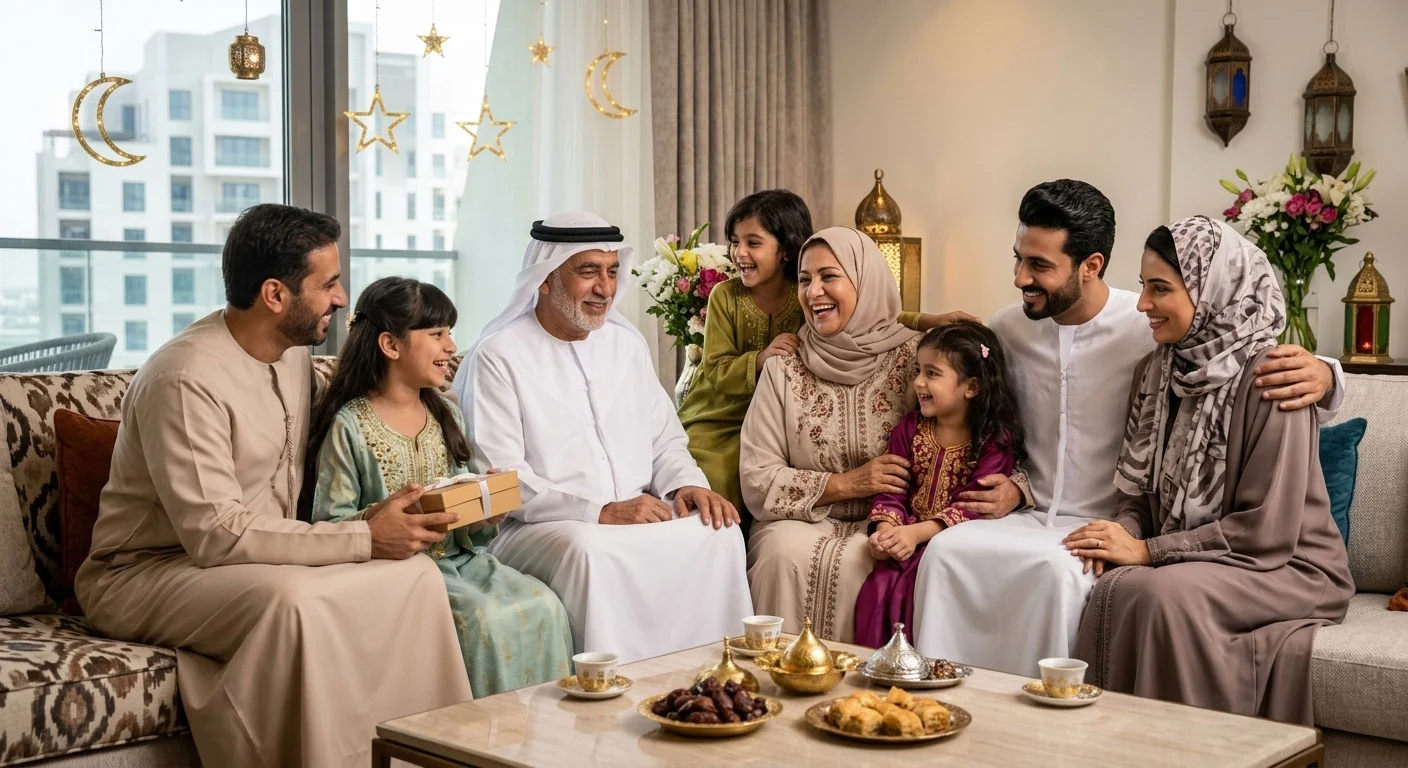
Eid is especially exciting for children, who often receive Eidiyah (money gifts) specifically for buying sweets. Teaching them to enjoy treats responsibly establishes lifelong habits:
Set Clear Expectations: Before Eid begins, discuss with children how many sweets they can enjoy daily. Make it a fun negotiation rather than a restrictive rule. When children understand the “why” behind limitations, they’re more likely to comply.
Create Traditions Around Dental Care: Make brushing teeth after Eid treats part of the celebration ritual. Perhaps brush together as a family, or let children choose a special “Eid toothbrush” in their favorite color.
Offer Non-Food Alternatives: While sweets are traditional, consider supplementing them with small toys, books, or activities. This provides variety in Eid giving while reducing total sugar consumption.
Lead by Example: Children model adult behavior. If they see parents enjoying sweets mindfully, rinsing with water afterward, and maintaining oral hygiene despite festivities, they’ll internalize these habits naturally.
Make It Educational: Use Eid as a teaching opportunity. Explain how sugar affects teeth in age-appropriate terms. Many children respond well to understanding the science behind dental care recommendations.
Supervise Brushing: Amid Eid excitement, children may rush through brushing or skip it entirely. Supervise their oral care to ensure thoroughness, particularly during the first few days of celebration when sugar consumption peaks.
Post-Eid Dental Checkup: Consider scheduling a dental cleaning shortly after Eid. This professional cleaning removes any accumulated plaque and tartar, and the dentist can identify any problems early. Positioning this as part of the Eid tradition rather than a consequence makes it feel less punitive.
Healthier Eid Treat Alternatives
Traditional hospitality doesn’t require abandoning dental health. Consider these tooth-friendlier options alongside classic sweets:
Fresh Fruit Platters: Beautifully arranged seasonal fruits provide natural sweetness with less concentrated sugar than traditional desserts. Melons, berries, and apples offer satisfying textures and help clean teeth while eating.
Nuts and Dried Fruit: Almonds, pistachios, and walnuts are traditional Eid offerings that provide sweetness and satisfaction without the dental damage of syrupy desserts. While dried fruit is sticky, it contains fiber and nutrients absent in pure sugar treats.
Dark Chocolate Options: High-quality dark chocolate (70% cocoa or higher) contains less sugar than milk chocolate or traditional sweets. It melts cleanly from teeth and may even contain compounds beneficial for oral health.
Homemade Treats with Reduced Sugar: When preparing traditional sweets, consider reducing sugar content gradually. Many recipes remain delicious with 25-30% less sugar than traditional amounts. Use natural sweeteners like dates in some recipes for added fiber and nutrients.
Sugar-Free Options: Modern sugar-free versions of many traditional sweets are available. While not identical to classics, they allow enjoyment without the dental risks, particularly useful for family members with diabetes or high cavity risk.
Cheese and Date Combinations: Pairing dates (a traditional Eid food) with cheese provides calcium and helps neutralize mouth acids. This combination honors tradition while supporting dental health.
Frequently Asked Questions
Should I brush my teeth immediately after eating Eid sweets?
No, wait at least 30 minutes after eating sweets before brushing. Immediately after consuming sugar, your mouth is acidic and tooth enamel is temporarily softened. Brushing during this period can actually damage enamel by abrading its softened surface. Instead, rinse your mouth thoroughly with water right after eating sweets to remove food particles and begin diluting acids. Then brush 30-60 minutes later once your saliva has begun neutralizing the acid and remineralizing your enamel.
Are there any Eid sweets that are better for teeth than others?
Yes. Generally, chocolate-based treats are better for teeth than sticky, syrup-soaked desserts because chocolate melts and rinses away more easily. Dark chocolate with higher cocoa content contains less sugar than traditional sweets. Sweets that don’t stick to teeth and can be consumed quickly pose less risk than those that linger in the mouth or lodge between teeth. However, no sweet is truly “good” for teeth—it’s about relative risk and practicing good oral hygiene afterward.
My child received a lot of Eidiyah and wants to buy sweets. How should I handle this?
Eidiyah is a cherished tradition, but it doesn’t mean unlimited sweets. Have an honest conversation with your child about balance. Set clear daily limits on sweet consumption—perhaps 2-3 treats per day. Help them budget their Eidiyah for both sweets and other items they want, like toys or books. Make brushing after sweets part of the routine, and supervise to ensure thoroughness. Consider scheduling a post-Eid dental checkup as part of the family tradition, framing it positively as taking care of the smile that enjoyed all those delicious treats.
I notice my teeth feel sensitive after eating sweets during Eid. Is this normal?
Some sensitivity after consuming sweets is common, as sugar and acid temporarily soften enamel and can irritate exposed dentin. However, persistent or severe sensitivity may indicate underlying issues like cavities, enamel erosion, gum recession, or cracked teeth. If sensitivity continues beyond a few minutes after eating, occurs frequently, or causes significant discomfort, schedule a dental examination. Don’t ignore dental sensitivity—it’s your teeth signaling that something needs attention. Our team at Al Bustan Medical Group can identify the cause and provide appropriate treatment to eliminate discomfort.
Should I schedule a dental appointment right after Eid?
A post-Eid dental checkup and cleaning is an excellent idea, particularly if you or your children consumed significant amounts of sweets during celebrations. Professional cleaning removes plaque and tartar buildup that accumulated despite good home care, and the dentist can identify any problems that developed, like new cavities or gum inflammation. Scheduling this appointment before Eid ensures it actually happens rather than being postponed. Many families make post-Eid dental visits a regular tradition, similar to back-to-school checkups. Call 8007755 to schedule your post-Eid appointment at any of our 9 Abu Dhabi locations.
Celebrate with Confidence
Eid Al-Fitr is a time for joy, gratitude, and celebration with loved ones. Traditional sweets are part of this celebration, representing hospitality, culture, and the sweetness of life. You don’t have to sacrifice these beloved traditions to maintain dental health—mindful enjoyment and proper oral care allow you to fully participate in Eid festivities while protecting your smile.
The key lies in balance: enjoy your favorite treats at appropriate times, practice good oral hygiene consistently, teach children healthy habits, and stay hydrated throughout celebrations. These simple strategies allow you to savor Eid’s sweetness without compromising the health of your teeth.
At Al Bustan Medical Group, we understand and respect the cultural importance of Eid traditions in Abu Dhabi. Our team of MOHAP-licensed dental specialists has served local families for 18 years, providing culturally sensitive care that honors your traditions while prioritizing your oral health. With 9 convenient locations across Abu Dhabi, we’re always nearby when you need us.
Whether you need a pre-Eid checkup to ensure your smile is ready for celebrations, emergency care if problems arise during festivities, or a post-Eid cleaning to remove accumulated plaque, we’re here to help. Our flexible scheduling accommodates your Eid plans, and our compassionate team treats every patient like family.
Eid Mubarak from all of us at Al Bustan Medical Group!
Call 8007755 to schedule your appointment at any of our 9 Abu Dhabi locations. Let us help you maintain a beautiful, healthy smile throughout Eid celebrations and all year long.
Related Services
- Pediatric Dentistry – Specialized care for children during Eid and throughout the year
- General & Preventive Dentistry – Comprehensive family dental care and cavity prevention
- Our Locations – Find the clinic nearest you across Abu Dhabi