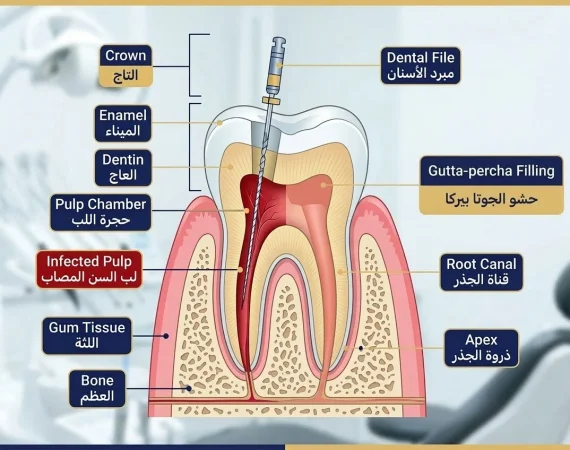
The holy month of Ramadan brings spiritual reflection, community, and the practice of fasting from dawn until sunset. While fasting offers numerous health benefits, it also presents unique challenges for oral health. Extended hours without food or water can affect saliva production, increase bacterial growth, and make teeth more vulnerable to decay and gum disease.
At Al Bustan Medical Center, we’ve spent 18 years helping Abu Dhabi families maintain excellent oral health year-round, including during Ramadan. With 9 clinics across Abu Dhabi, our MOHAP-licensed specialists understand the specific oral care needs during this blessed month and offer practical guidance to keep your smile healthy while you fast.

How Fasting Affects Your Oral Health
During fasting hours, your body undergoes several changes that impact your mouth:
Reduced Saliva Production: Without regular fluid intake, your mouth produces less saliva—nature’s defense against bacteria. Saliva neutralizes acids, washes away food particles, and contains enzymes that fight decay. When saliva production decreases, harmful bacteria multiply more rapidly, increasing the risk of cavities and bad breath.
Dry Mouth (Xerostomia): Extended fasting periods can lead to persistent dry mouth, which creates an ideal environment for bacterial growth. This condition not only causes discomfort but can accelerate tooth decay and gum inflammation.
Altered Eating Patterns: Breaking fast with sweet dates and rich foods at Iftar, followed by late-night Suhoor meals, changes your typical eating schedule. These shifts, combined with reduced brushing frequency, can compromise your oral health if not managed properly.
Increased Acidic Conditions: Without regular meals to stimulate saliva flow, your mouth’s pH level can become more acidic, weakening tooth enamel and making teeth more susceptible to decay.
Smart Oral Care During Suhoor and Iftar
Suhoor (Pre-Dawn Meal) Recommendations:
Choose Tooth-Friendly Foods: Opt for foods that promote oral health during Suhoor. Cheese, yogurt, and milk provide calcium and phosphates that strengthen teeth. Whole grains release energy slowly and require more chewing, which stimulates saliva production. Avoid sticky, sugary foods that cling to teeth throughout the fasting day.
Hydrate Thoroughly: Drink plenty of water between Iftar and Suhoor to maintain saliva production during fasting hours. Aim for at least 8-10 glasses during non-fasting hours. Avoid caffeinated beverages at Suhoor, as they contribute to dehydration.
Time Your Brushing Strategically: Brush your teeth after Suhoor, but wait at least 30 minutes after eating, especially if you’ve consumed acidic foods or drinks. Brushing immediately after acidic foods can damage softened enamel. Consider brushing before Suhoor and using mouthwash afterward.
Iftar (Breaking Fast) Best Practices:
Break Fast Mindfully: While dates are traditional and nutritious, their natural sugars can contribute to decay if proper oral hygiene isn’t maintained. Rinse your mouth with water after eating dates, and try to brush within 30 minutes of finishing your meal.
Avoid Sugary Beverages: Limit sweetened juices and sodas at Iftar. These bathe your teeth in sugar and acid, creating conditions for rapid tooth decay. Choose water or unsweetened options whenever possible.
Eat Balanced Meals: Include crunchy vegetables and fruits like apples, carrots, and celery in your Iftar. These natural “toothbrushes” help clean teeth surfaces and stimulate saliva flow while providing essential nutrients.
Optimal Brushing and Flossing Schedule During Ramadan
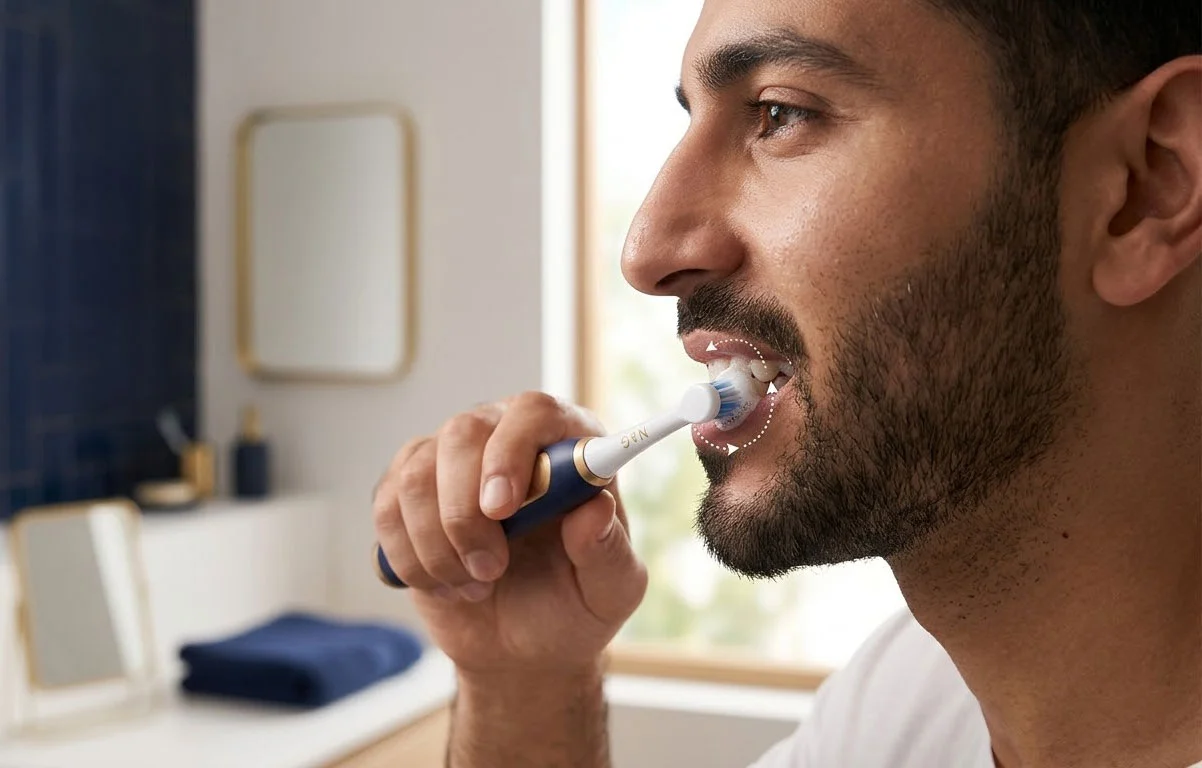
After Suhoor: Brush thoroughly with fluoride toothpaste after your pre-dawn meal. Use gentle circular motions for at least two minutes, covering all tooth surfaces. Don’t forget to clean your tongue, where bacteria accumulate and cause bad breath.
After Iftar: Wait 30-60 minutes after eating before brushing, particularly if you’ve consumed acidic foods or drinks. This waiting period allows your saliva to neutralize acids and remineralize tooth enamel. In the meantime, rinse your mouth with water.
Before Sleep: Many people have a light meal or snacks during the evening. Always brush before bed to remove food particles and bacteria that accumulate overnight. This is your most important brushing session of the day.
Flossing: Don’t skip flossing during Ramadan. Floss at least once daily, preferably after Iftar or before bed. Flossing removes food particles and plaque from between teeth where your toothbrush can’t reach—areas particularly vulnerable during altered eating schedules.
Mouthwash Considerations: Use alcohol-free mouthwash after brushing. Some scholars advise avoiding mouthwash during fasting hours, so consult your religious guidance. Mouthwash can help control bacteria and freshen breath, but it’s not a substitute for brushing and flossing.
Maintaining Saliva Production and Hydration
Adequate hydration during non-fasting hours is crucial for oral health throughout Ramadan:
Water Intake Strategy: Distribute water consumption evenly between Iftar and Suhoor rather than drinking large amounts at once. Keep a water bottle nearby during permitted hours as a reminder to sip regularly. Room-temperature water is absorbed more efficiently than ice-cold water.
Foods That Promote Saliva: Include water-rich fruits and vegetables in your meals—watermelon, cucumbers, oranges, and strawberries provide hydration and stimulate saliva flow. Chewing sugar-free gum after Iftar can also increase saliva production (ensure it’s halal-certified).
Avoid Dehydrating Substances: Limit caffeine, excessive salt, and spicy foods, which can exacerbate dehydration and dry mouth. If you must have coffee or tea, pair it with extra water.
Monitor Dry Mouth Symptoms: Persistent dry mouth, difficulty swallowing, or a rough tongue texture indicate severe dehydration. If these symptoms persist despite adequate hydration, consult our dental team at Al Bustan Medical Group for professional evaluation and solutions.
Scheduling Dental Care During Ramadan
Many people postpone dental visits during Ramadan, but maintaining regular dental care remains important:
Routine Checkups: If you have a scheduled cleaning or checkup, you can typically proceed during Ramadan. Most examinations don’t require you to swallow anything. Inform our team that you’re fasting, and we’ll ensure your appointment respects your religious observance.
Emergency Dental Care: Dental emergencies don’t wait for convenient times. If you experience severe tooth pain, swelling, bleeding, or a knocked-out tooth during Ramadan, seek immediate care. Our 9 Abu Dhabi locations are equipped to handle urgent dental needs with sensitivity to your fasting.
Timing Your Appointments: Schedule non-urgent treatments after Iftar when you can eat and drink freely. Evening appointments allow you to take any prescribed medications with food and water as needed.
Pre-Ramadan Dental Checkup: The ideal approach is visiting your dentist before Ramadan begins. A thorough examination and cleaning can prevent issues that might arise during the holy month. Address any existing problems beforehand to ensure a comfortable fasting experience.
Post-Ramadan Follow-Up: After Ramadan, schedule a checkup to address any concerns that developed during the month and ensure your oral health remains optimal as you return to regular routines.
Special Considerations for Children and Elderly
Children Observing Ramadan: If your children are beginning to fast, teach them the importance of thorough oral hygiene. Supervise their brushing to ensure proper technique. Make hydration during permitted hours a family activity. Consider scheduling their first dental visit during Ramadan to establish that dental care continues year-round.
Elderly Family Members: Older adults often take medications that cause dry mouth. Combined with fasting, this can significantly impact oral health. Ensure elderly family members stay well-hydrated during non-fasting hours and maintain meticulous oral hygiene. Those with dentures should clean them thoroughly after each meal.
Individuals with Existing Conditions: People with diabetes, gum disease, or other health conditions should be especially vigilant about oral care during Ramadan. Consult both your physician and dentist about how fasting may affect your specific situation.
Frequently Asked Questions About Ramadan Oral Care
Does brushing teeth break my fast?
According to most Islamic scholars, brushing teeth does not break your fast as long as you don’t intentionally swallow toothpaste or water. Use minimal toothpaste, brush gently, rinse carefully, and spit thoroughly. If you’re concerned, brush before Suhoor and after Iftar, using miswak (traditional teeth-cleaning twig) during fasting hours, which many scholars consider permissible and encouraged.
Can I use mouthwash while fasting?
The permissibility of mouthwash during fasting hours varies among Islamic scholars. Many recommend using mouthwash only during non-fasting hours (after Iftar and after Suhoor) to avoid any risk of swallowing liquid. Always use alcohol-free formulations, and if using mouthwash during fasting, rinse very carefully to ensure nothing is swallowed. Consult your local religious authority for specific guidance.
Why does my breath smell worse during Ramadan?
Bad breath during fasting results from reduced saliva production and the accumulation of bacteria in the mouth. Without regular food and water intake, less saliva is available to wash away bacteria and neutralize odors. Additionally, as your body begins using stored fat for energy, it produces ketones, which can cause a distinctive breath odor. This is normal and temporary. Maintain excellent oral hygiene, use a tongue scraper, stay well-hydrated during permitted hours, and know that this resolves once regular eating resumes.
Should I schedule dental treatments during Ramadan?
Routine preventive care like cleanings and examinations can typically be performed during Ramadan, as they don’t usually require you to swallow anything. However, many people prefer to schedule non-urgent treatments after Ramadan or after Iftar. Emergency dental care should never be delayed—severe pain, infections, or injuries require immediate attention regardless of fasting. Our team at Al Bustan Medical Group accommodates fasting patients and can schedule appointments at times most convenient for your observance.
What should I do if I have a dental emergency while fasting?
Seek immediate dental care for emergencies like severe pain, facial swelling, uncontrolled bleeding, or a knocked-out tooth. Your health takes precedence, and Islamic law allows breaking fast for medical necessities. Our emergency dental services are available across our 9 Abu Dhabi locations. Call 8007755 immediately if you experience a dental emergency. Our MOHAP-licensed specialists will provide urgent care while respecting your religious observance whenever possible.
Your Ramadan Oral Health Partner
Maintaining excellent oral health during Ramadan requires mindful attention to hydration, timing, and hygiene practices. With proper care, you can observe this blessed month while keeping your teeth and gums healthy. The key lies in being proactive—brush thoroughly after Suhoor and Iftar, stay well-hydrated during permitted hours, choose tooth-friendly foods, and address any dental concerns promptly.
At Al Bustan Medical Center, we’re honored to serve Abu Dhabi’s diverse community with culturally sensitive dental care. Our team of MOHAP-licensed specialists understands the unique considerations of Ramadan and stands ready to support your oral health throughout the holy month and beyond. With 18 years of experience and 9 convenient locations across Abu Dhabi, we’re your trusted partner for comprehensive family dental care.
Whether you need a pre-Ramadan checkup, have questions about maintaining oral health while fasting, or require emergency dental care, we’re here to help. Our clinics offer flexible scheduling to accommodate your Ramadan routine, with evening appointments available after Iftar.
Schedule your appointment today: Call 8007755 or visit any of our 9 Abu Dhabi locations. Let us help you maintain a healthy, confident smile throughout Ramadan and all year long.
Ramadan Kareem from all of us at Al Bustan Medical Group!
Related Services
- General & Preventive Dentistry – Comprehensive oral health care for the whole family
- Pediatric Dentistry – Specialized care for children observing their first Ramadan fasts
- Our Locations – Find the clinic nearest you across Abu Dhabi